


Plugs
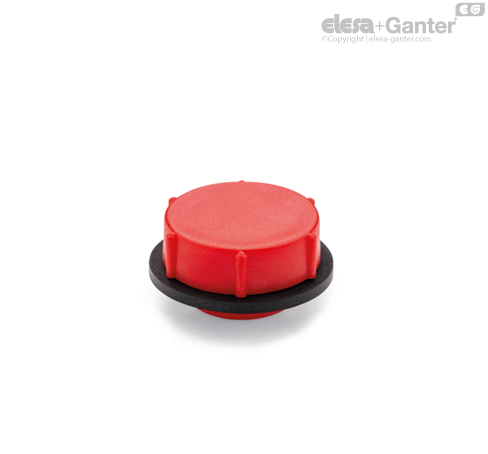
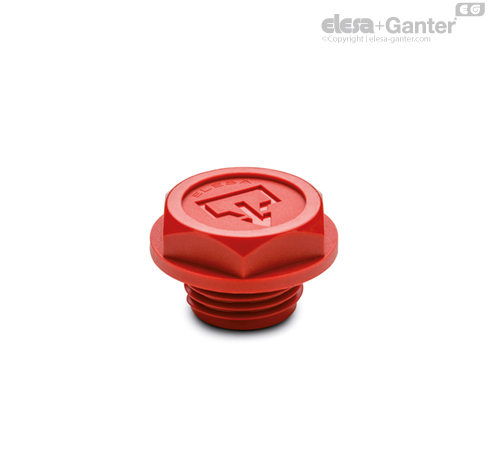
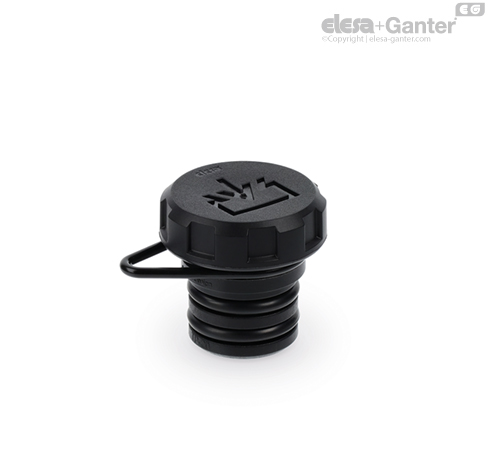
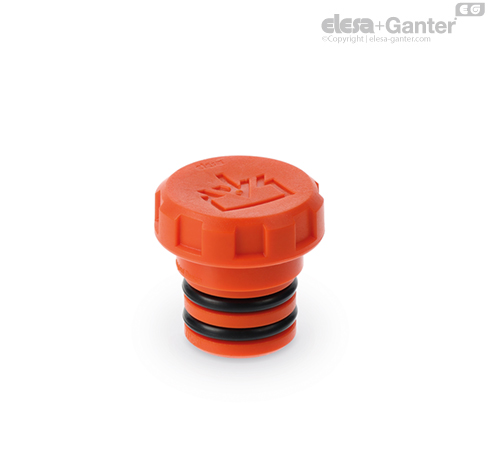
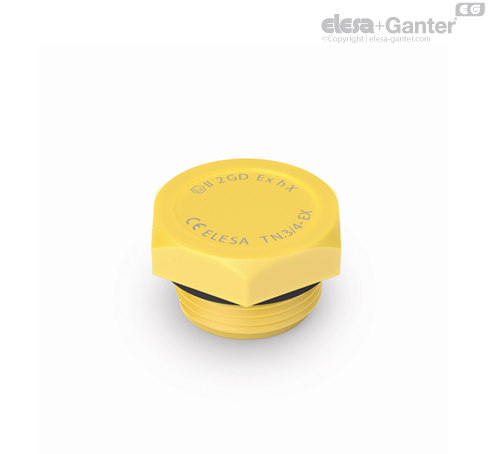
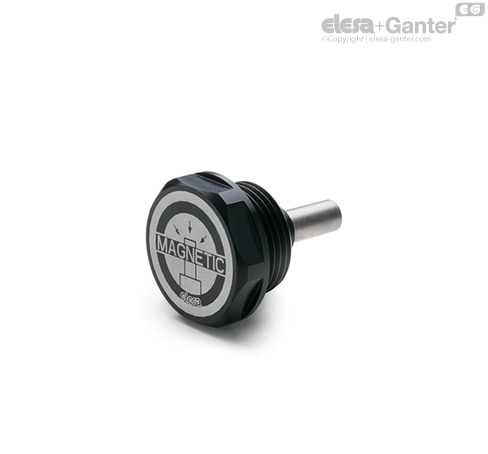
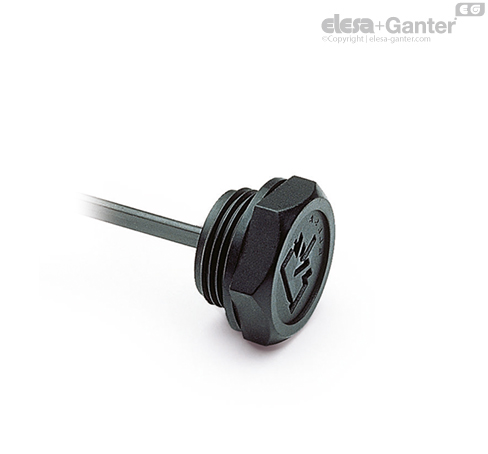
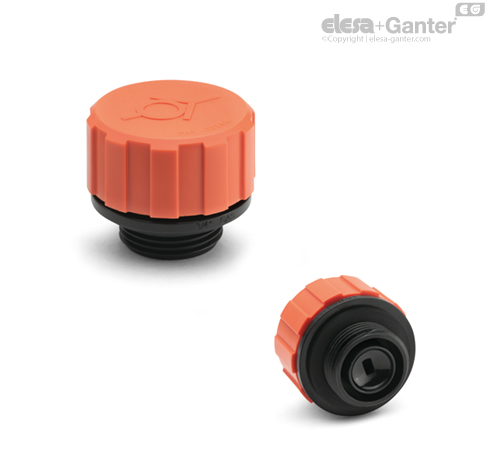
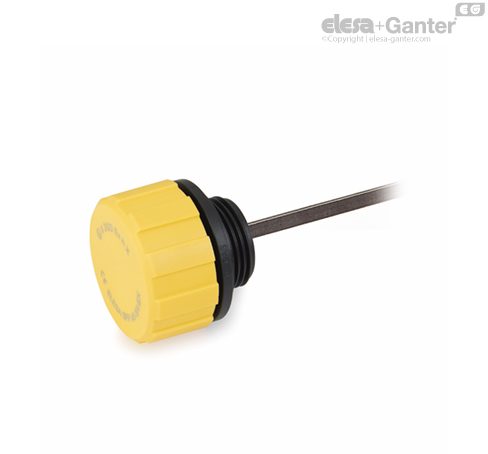
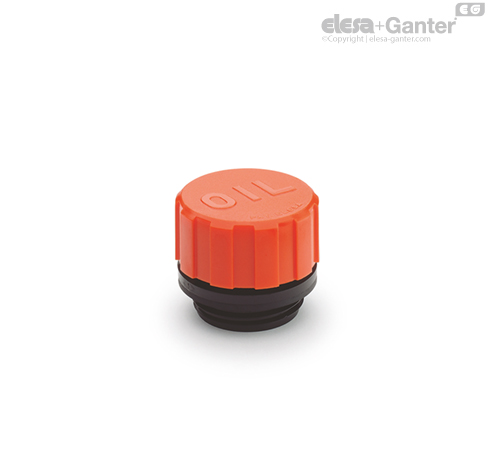
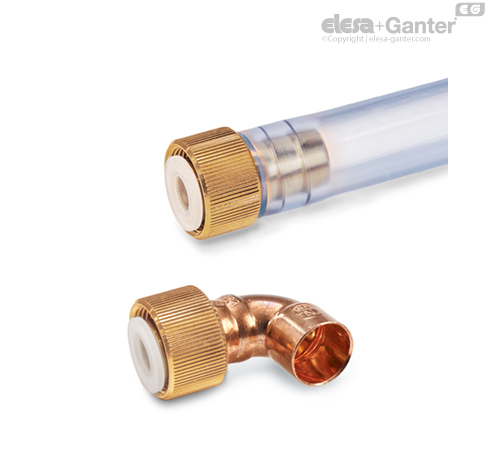
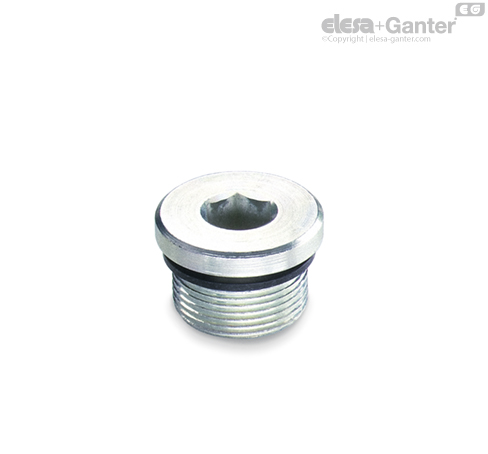
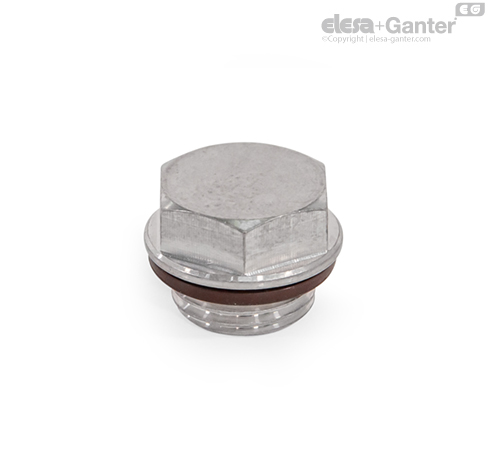
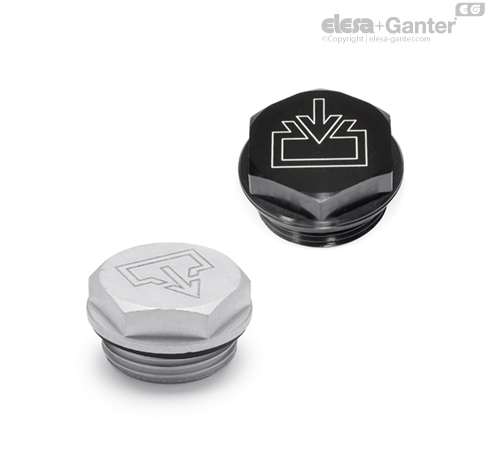
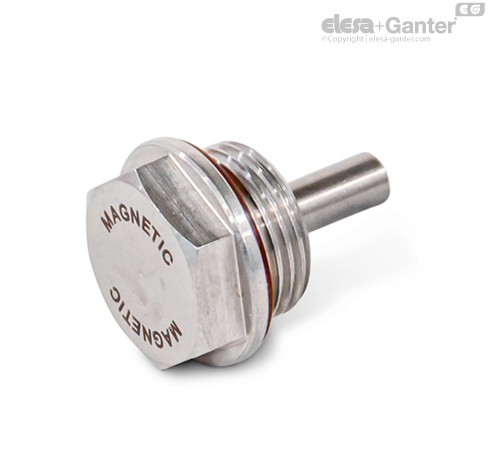
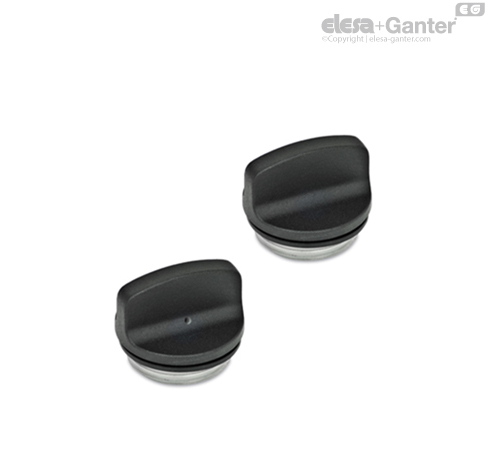
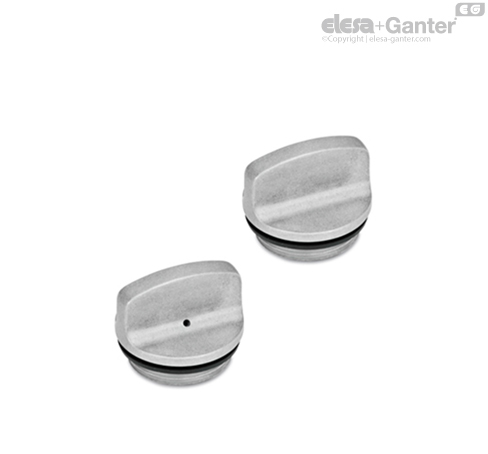
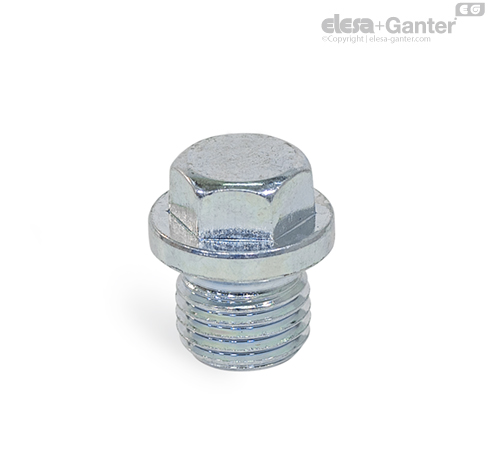
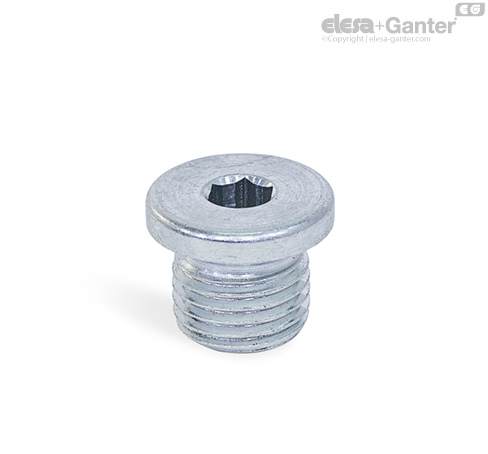
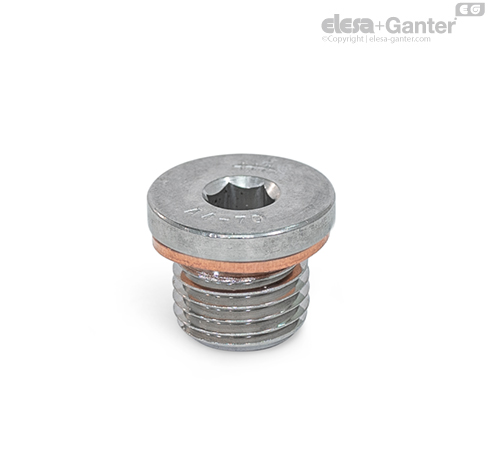
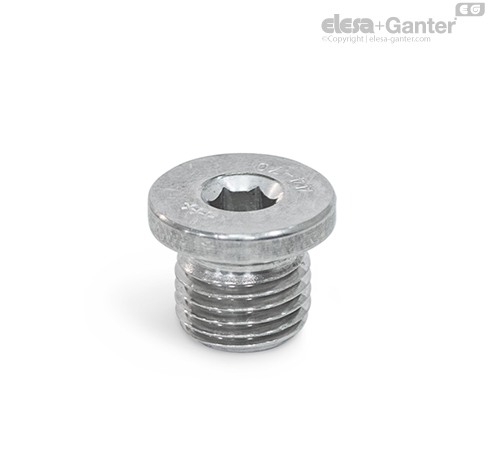
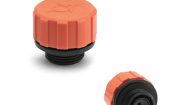
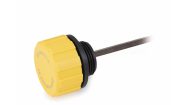
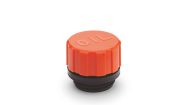
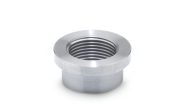
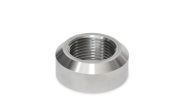
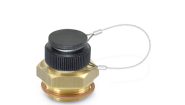
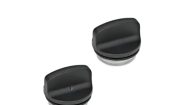
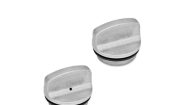
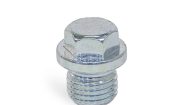
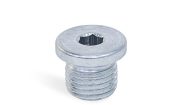
The range of plugs includes products in different sizes and materials. The diameter can range from 12 to 26 mm, from G 1/8 to G 3, from M8 to M60 mm. Materials: technopolymer, technopolymer-steel, steel, stainless steel, aluminum, brass. There are also plugs that comply with the European ATEX directive (for explosive environments).
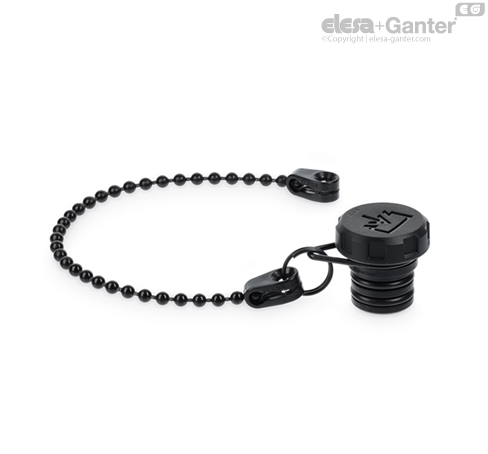
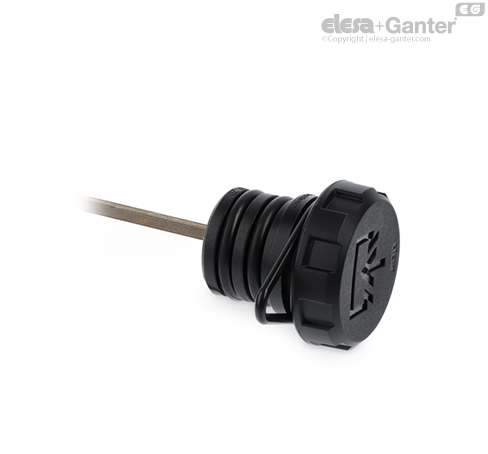
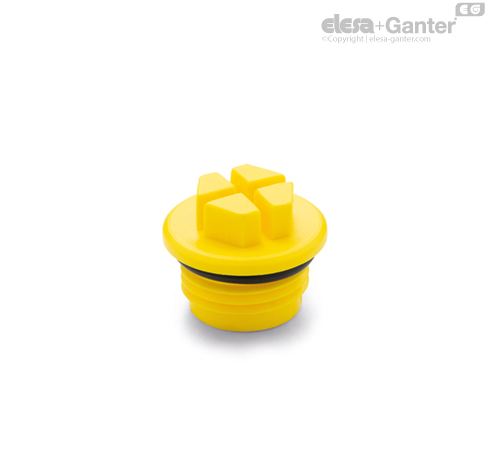
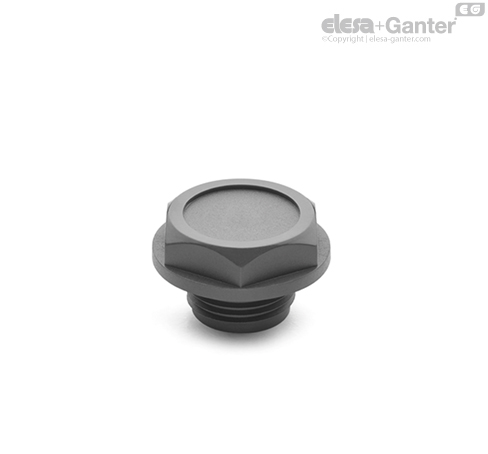
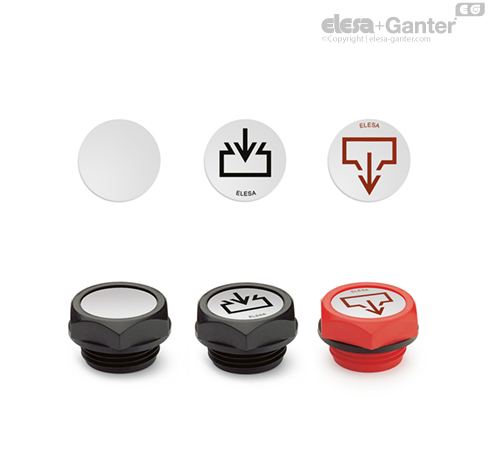
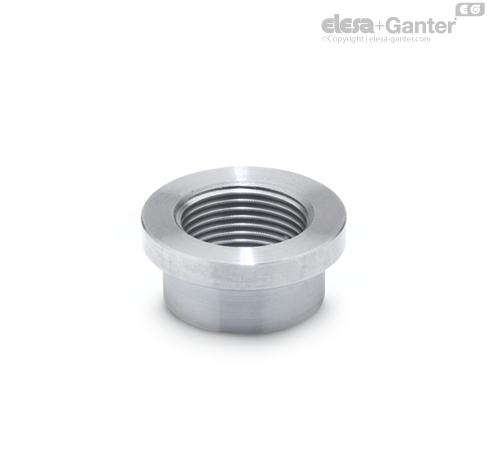
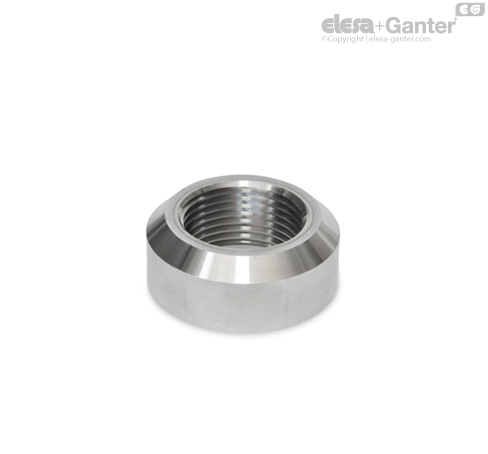
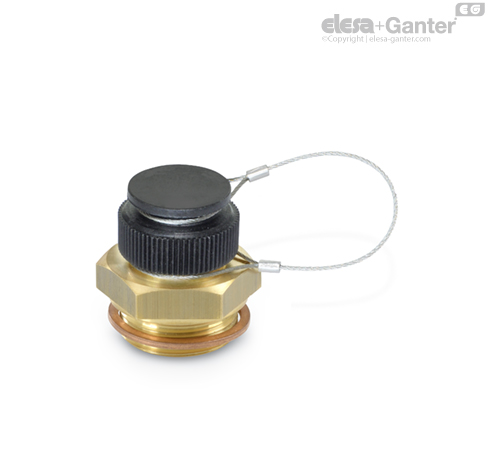
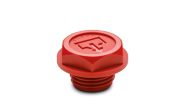
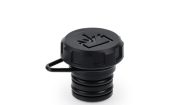
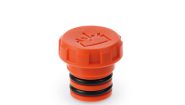
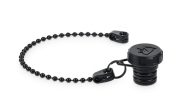
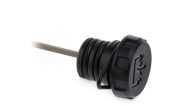
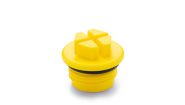
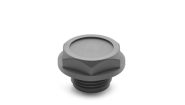
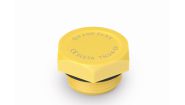
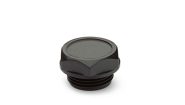
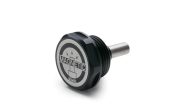
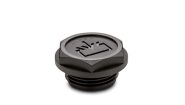
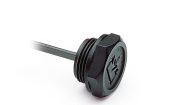
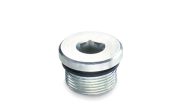
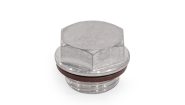
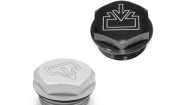
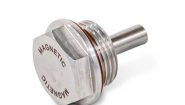
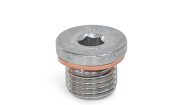
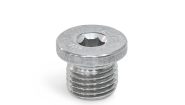
What functions do grease plugs perform in industrial systems?
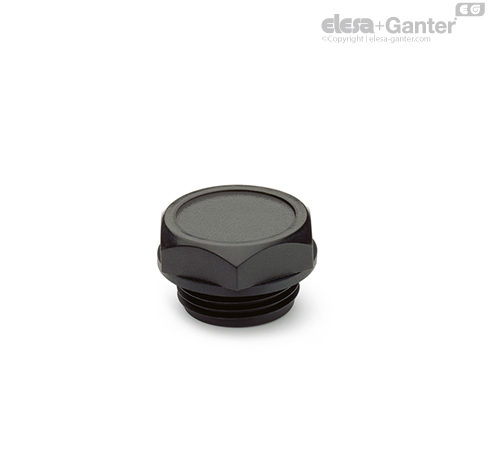
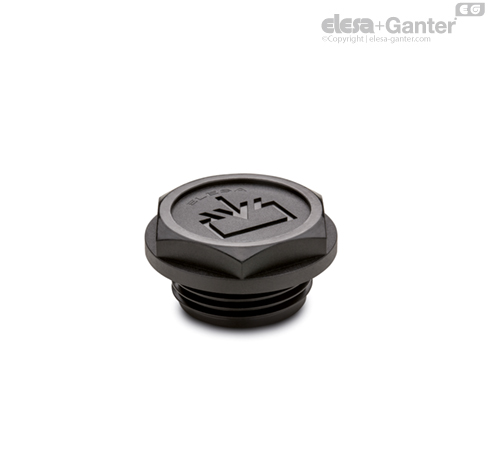
Oil plugs are small but very important components that maintain the proper functioning of the lubrication system. They close the oil filling holes, protect the system from dirt and help maintain pressure balance. In addition, the plugs ensure that oil does not spill and does not enter the work area. The efficiency of the lubrication system often depends on how well these plugs do their job.
How to choose the right oil cap according to the system requirements?
The right choice of plug depends on several factors: pressure, temperature, oil type and equipment design. Metal plugs are suitable for higher loads and aggressive conditions, while plastic plugs are suitable for lighter systems or where corrosion resistance is important. It is also necessary to evaluate the type of thread and sealing solution. If the plug is selected incorrectly, the system may lose its tightness and the oil may contaminate the mechanism.
Does the type of plug affect the tightness and cleanliness of the lubrication system?
Yes, the design of the plug directly affects the tightness. Tight plugs with internal rings or gaskets ensure that neither oil leaks nor dirt gets inside. This is especially important when the system operates in dusty or humid environments. Even small contaminants can damage bearings or other mechanisms, so the right plug is critical to the longevity of the system.
What is the difference between breathable and sealed grease caps?
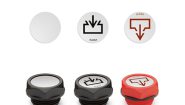
Breathing grease caps have a ventilation system that allows air to circulate as the system temperature rises or falls. This helps prevent pressure changes and condensation. Sealed caps, on the other hand, completely isolate the interior from the environment and ensure maximum tightness. When choosing between these two types, it is important to consider the operating mode and environment of the system. The right cap improves lubrication quality and protects equipment from damage.

