


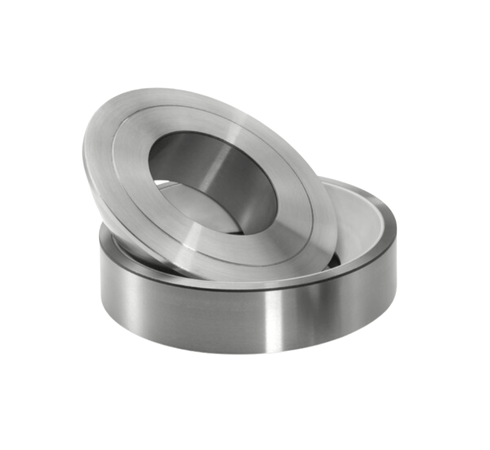


Bearings: an integral part of any machine
In industry, bearings are one of the most important mechanical elements that ensure smooth, precise and long-lasting operation of various equipment. Without them, it is impossible to imagine either simple mechanisms or complex automated systems. High-quality ball, roller, needle bearings and other types allow you to reduce friction, increase work productivity and improve the efficiency of the entire drive.
Choose bearings: reliability and durability
Properly selected bearings directly determine the service life and performance of equipment. For example, thrust bearings are designed for high axial loads, and are therefore often used in presses, transport systems or structures where pressure forces are constantly applied. Meanwhile, plain bearings are ideal for difficult conditions where resistance to shocks, dust or vibrations is required. If simple installation and easy maintenance are important, housing bearings are perfect, integrated directly into the supporting housing.
How bearings ensure equipment efficiency
Well-selected bearings help reduce energy consumption, noise and heat generation. This is especially true for high-speed systems that use ball or roller bearings to ensure stable operation at high speeds. Small bearings are widely used in small mechanisms or precision equipment systems, characterized by easy rotation and high accuracy. In both industrial lines and transportation equipment, bearings help ensure uninterrupted operation.
Different types of bearings: adaptation to industrial needs
Each industry has its own requirements, so different types of bearings are selected based on load, speed, temperature and environmental conditions. For example, needle bearings are perfect for places where space is limited but high load capacity is required. Roller bearings are used in heavy industry, while plain bearings are valued for their resistance to adverse conditions.

